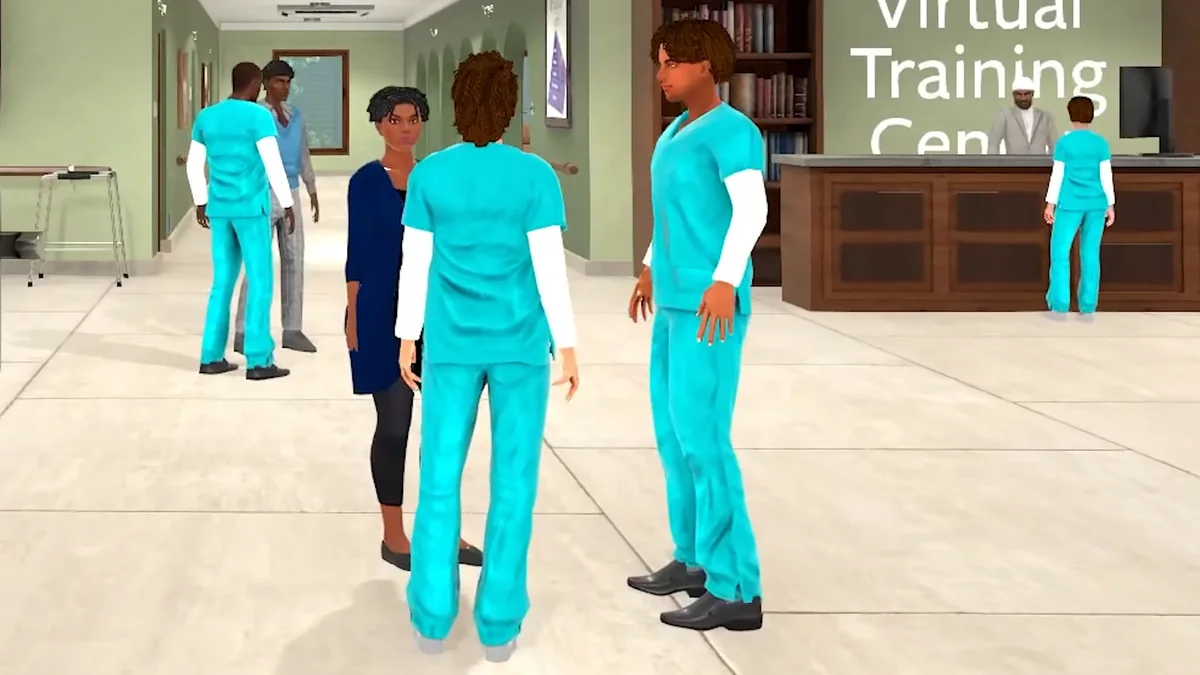
Immersive energy training courses that training providers can re-brand
Sinewave intends to build a growing suite of immersive energy-industry courses on Sinewave Campus. Training providers can re-brand them and deliver them through their existing learning management systems.
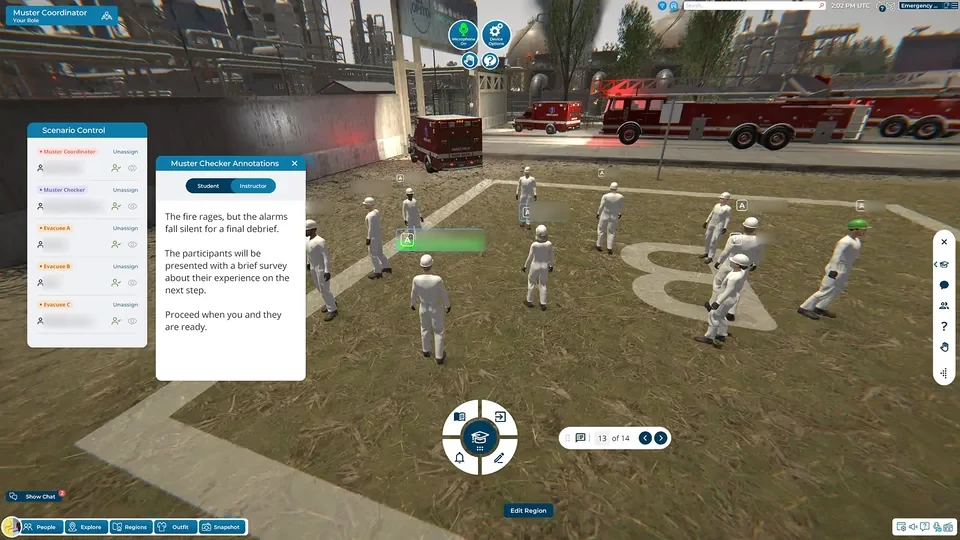
The first three courses
The initial suite will focus on three subjects. They are intended to demonstrate how Sinewave Campus can extend e-learning into areas where experience, decision-making and practical understanding are critical.
Over time, the suite can expand into more energy-industry subjects, so training providers can broaden their digital portfolio without creating every immersive course from the ground up.
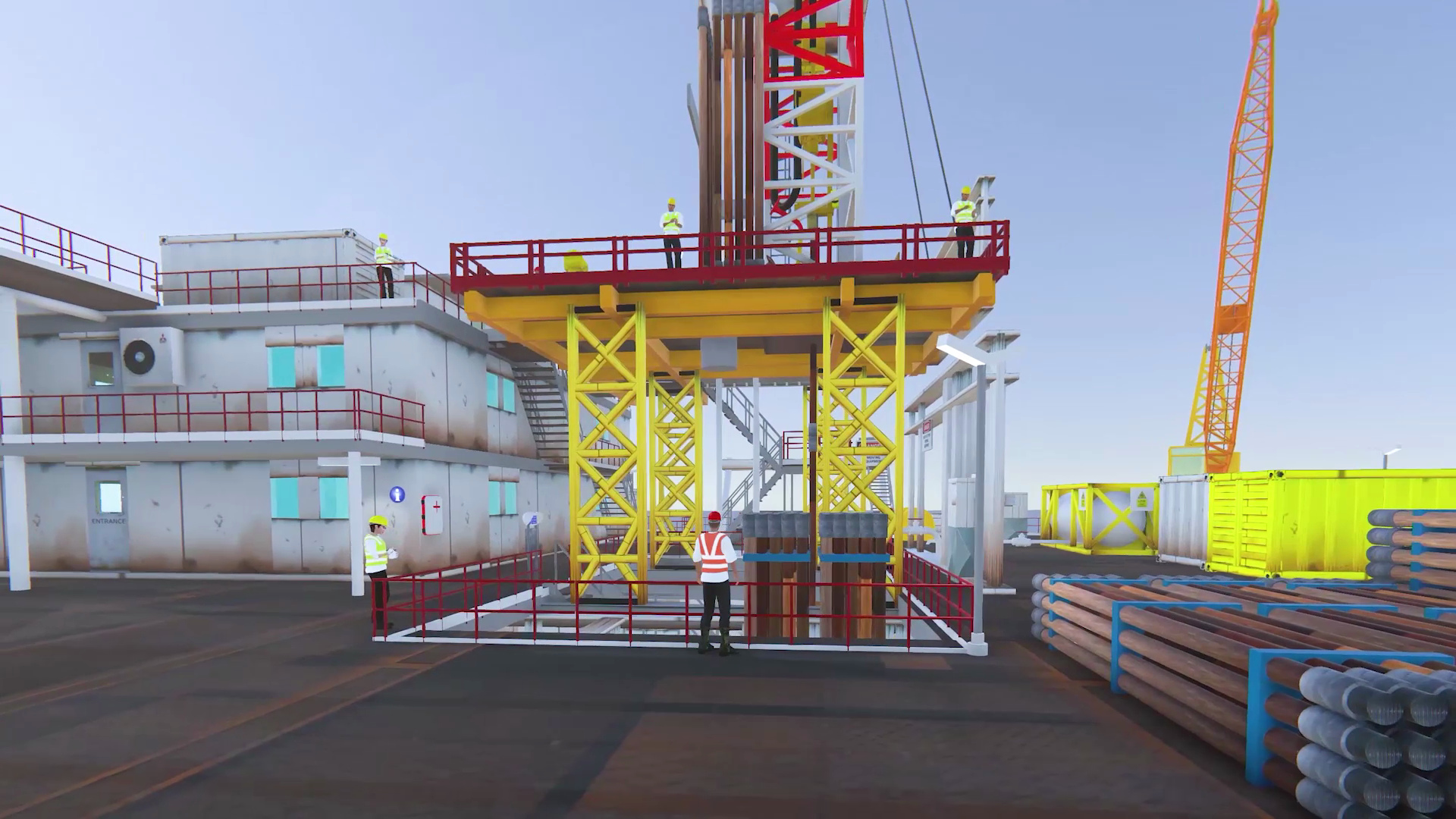
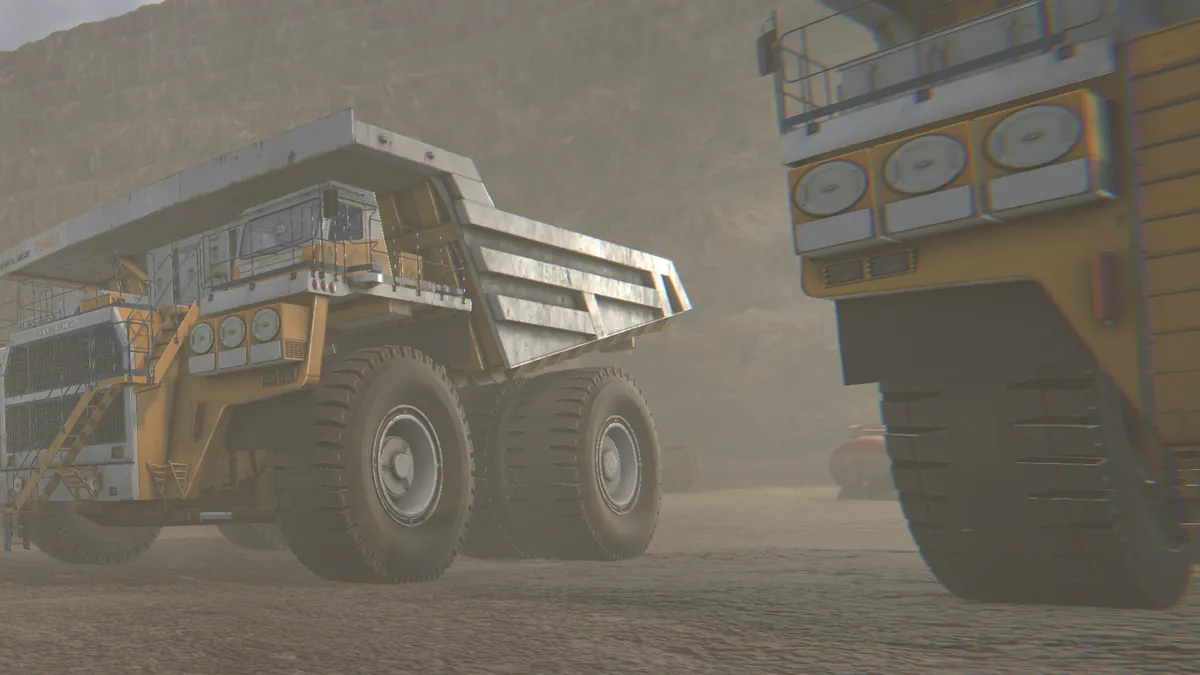
Crane simulation
Learners can practise crane-related activities and decision-making in a realistic 3D environment, without the cost, availability constraints or operational risks associated with physical equipment.
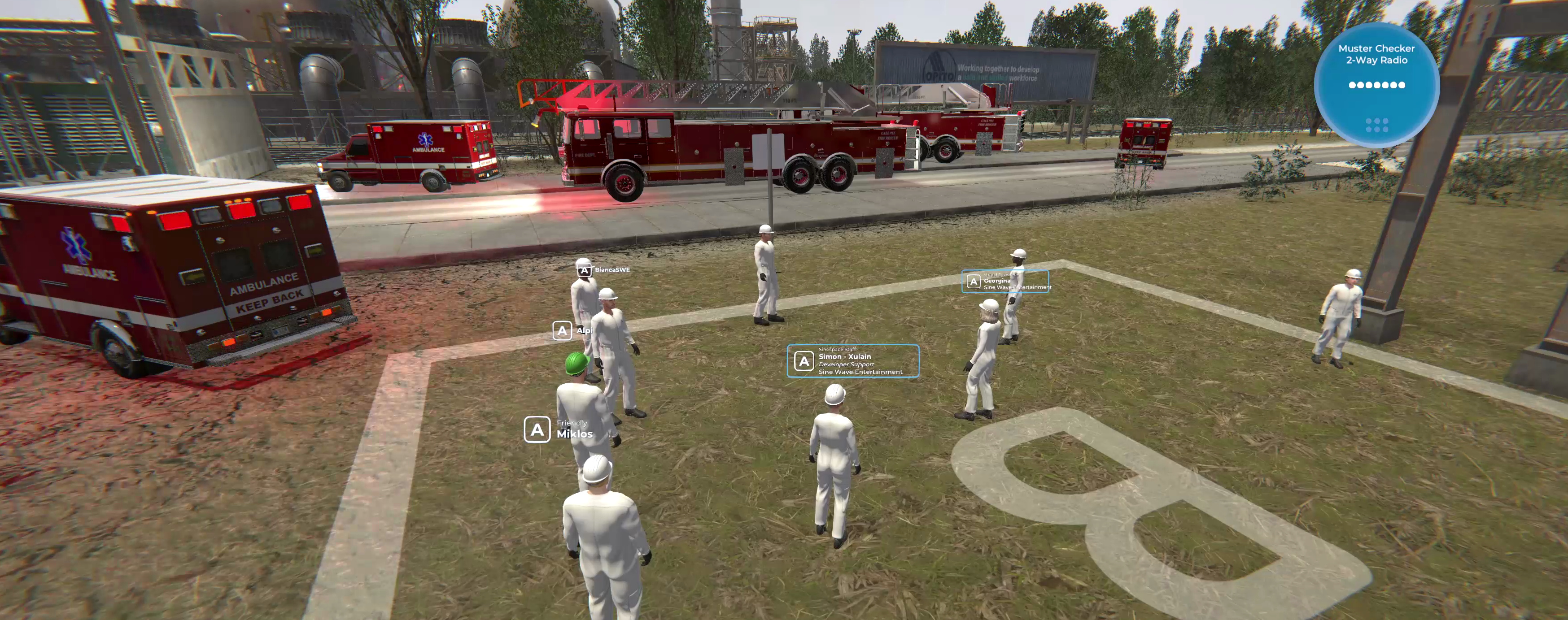
Emergency response management
Teams can rehearse emergency scenarios, practise communication and coordination, and develop decision-making skills in a safe, repeatable environment.
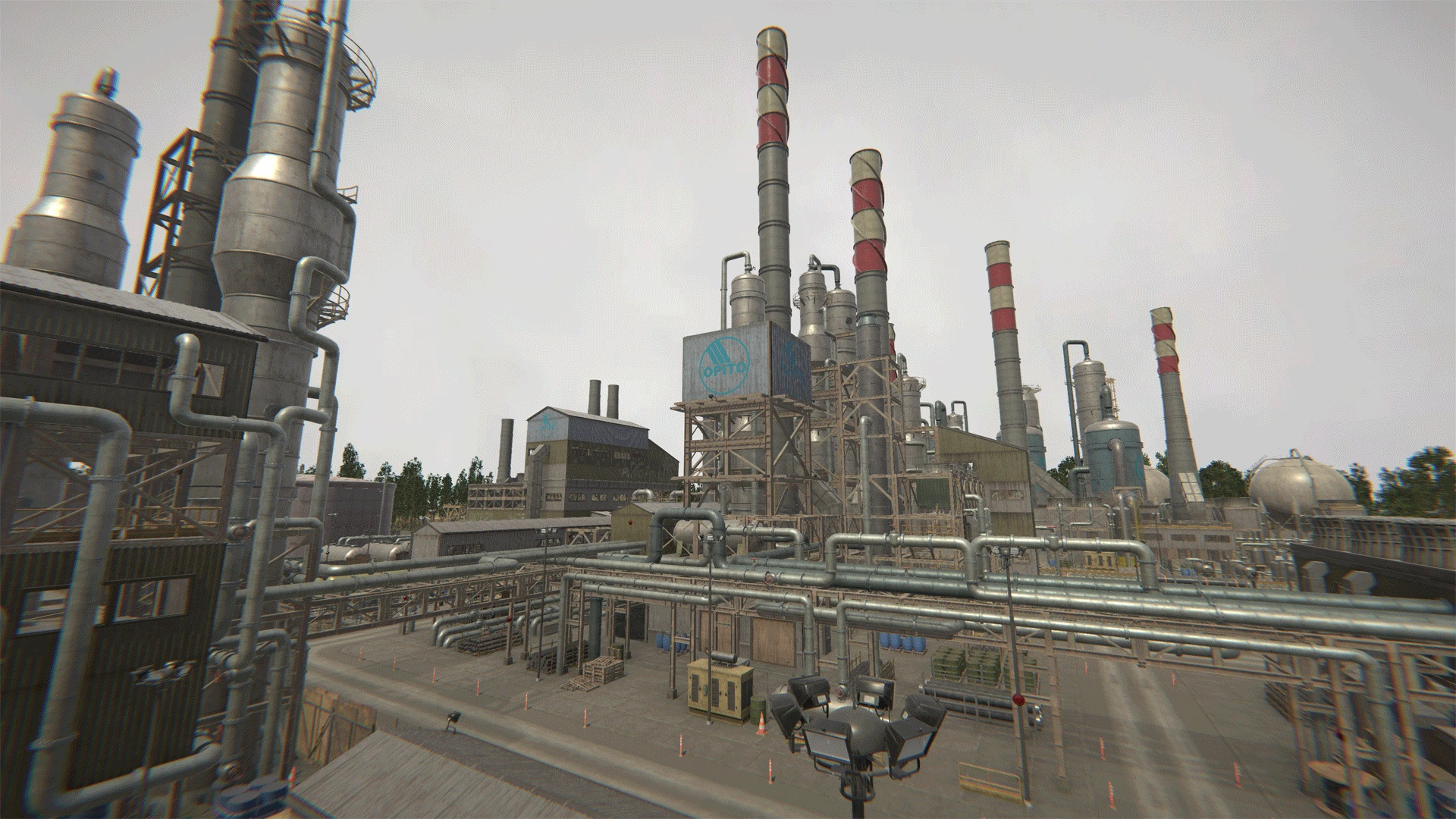
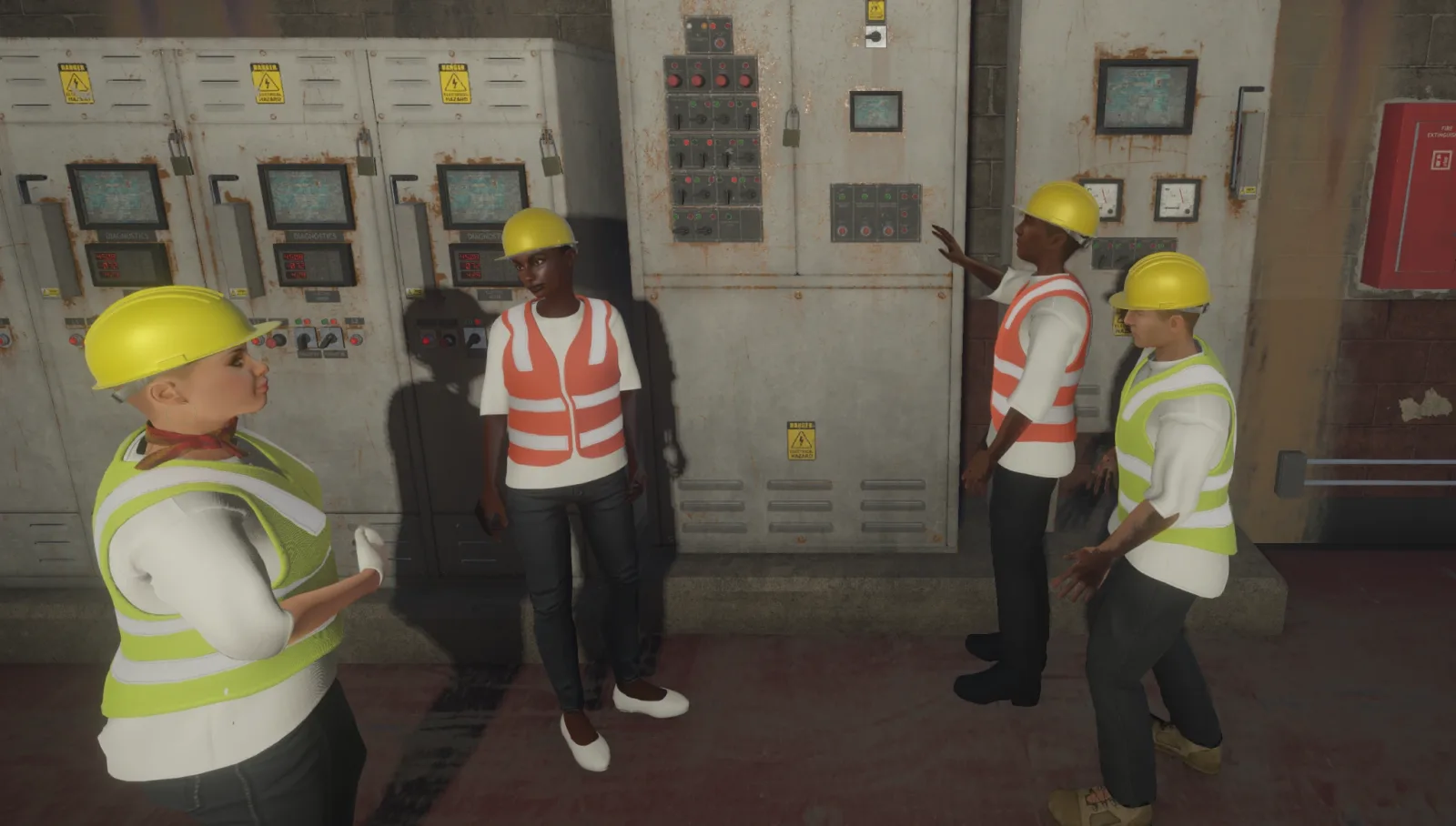
ATEX zone awareness
Learners can understand hazardous-area principles, identify risks and develop greater situational awareness through interactive scenarios rather than passive learning alone.
A new opportunity for training companies
Courses can be developed to established industry standards, re-branded by the training provider and offered through their existing learning management systems. Providers retain their own customer relationships and brand.
Sinewave Campus can help training providers:
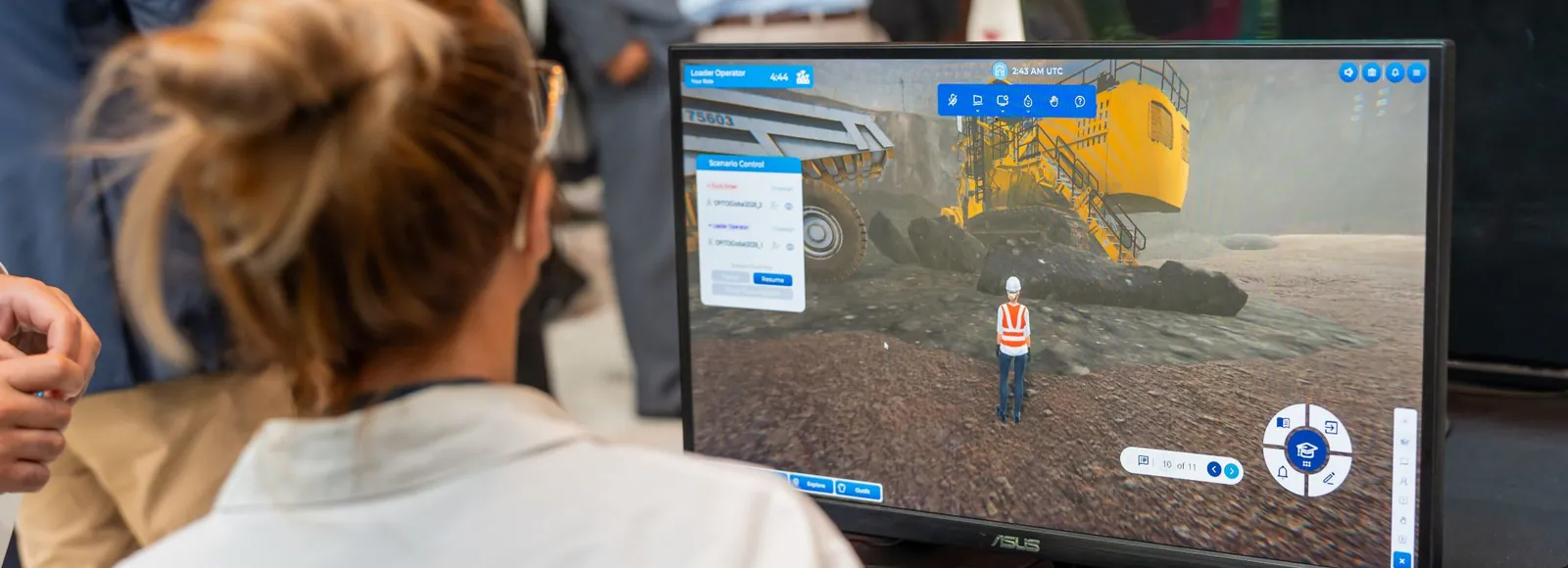
- Introduce additional subjects into their e-learning catalogue
- Reach customers beyond the geographical limits of their training centres
- Increase training capacity without proportionally increasing physical infrastructure
- Create scalable digital products that can be delivered repeatedly
- Provide refresher and practice opportunities between formal training events
- Differentiate their digital learning offer through interactive 3D exercises
Practise, repeat and make mistakes safely
In Sinewave Campus, exercises can be repeated again and again. Learners can revisit procedures, improve their decision-making, become familiar with an environment and build confidence through experience.
A 3D simulation creates a safe environment in which learners can explore decisions and experience what happens when an activity is performed incorrectly. Equipment is not damaged, operations are not disrupted and people are not placed at risk. The learner can understand what went wrong, reset the exercise and try again.
Learners go through a cycle of experience, decision, consequence, feedback, repetition and improvement.
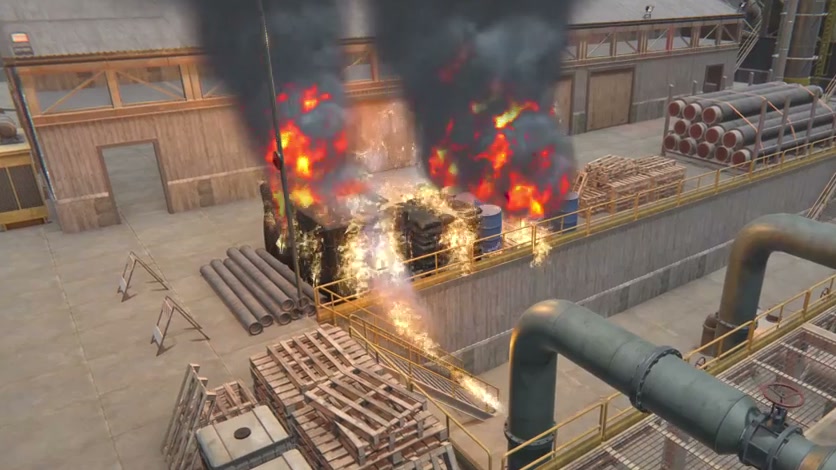
Train together, wherever your people are
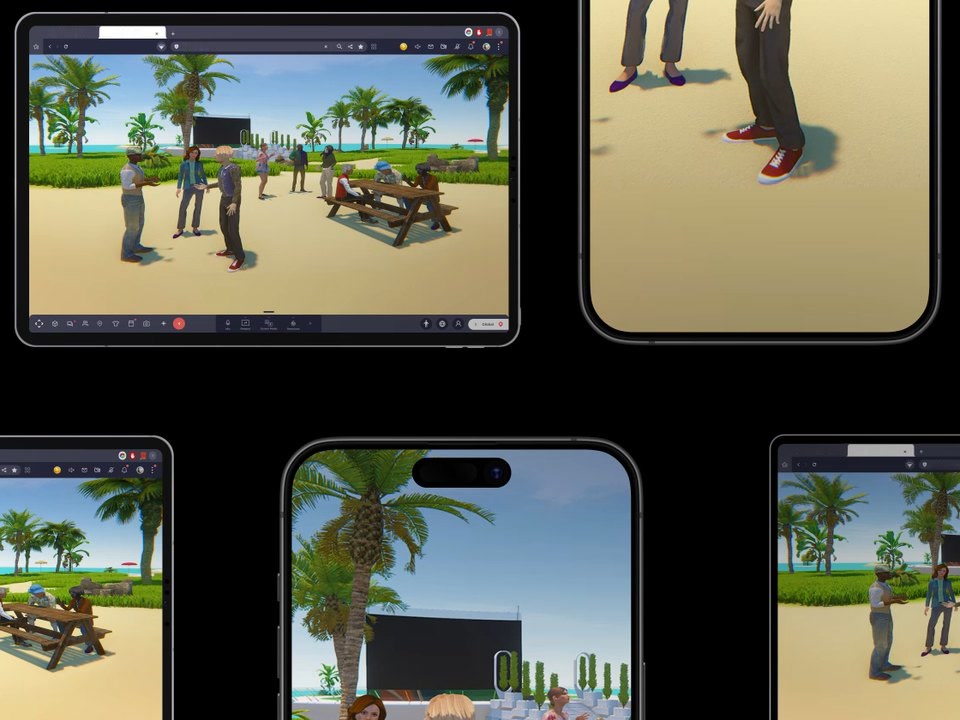
Learners can take part in exercises together within the same virtual environment, from different physical locations.
Many activities in the energy sector are team activities. Effective performance can depend on communication, coordination, role clarity and collective decision-making as much as individual technical knowledge.
Learners can practise not only what an individual should do, but how a team should work together.
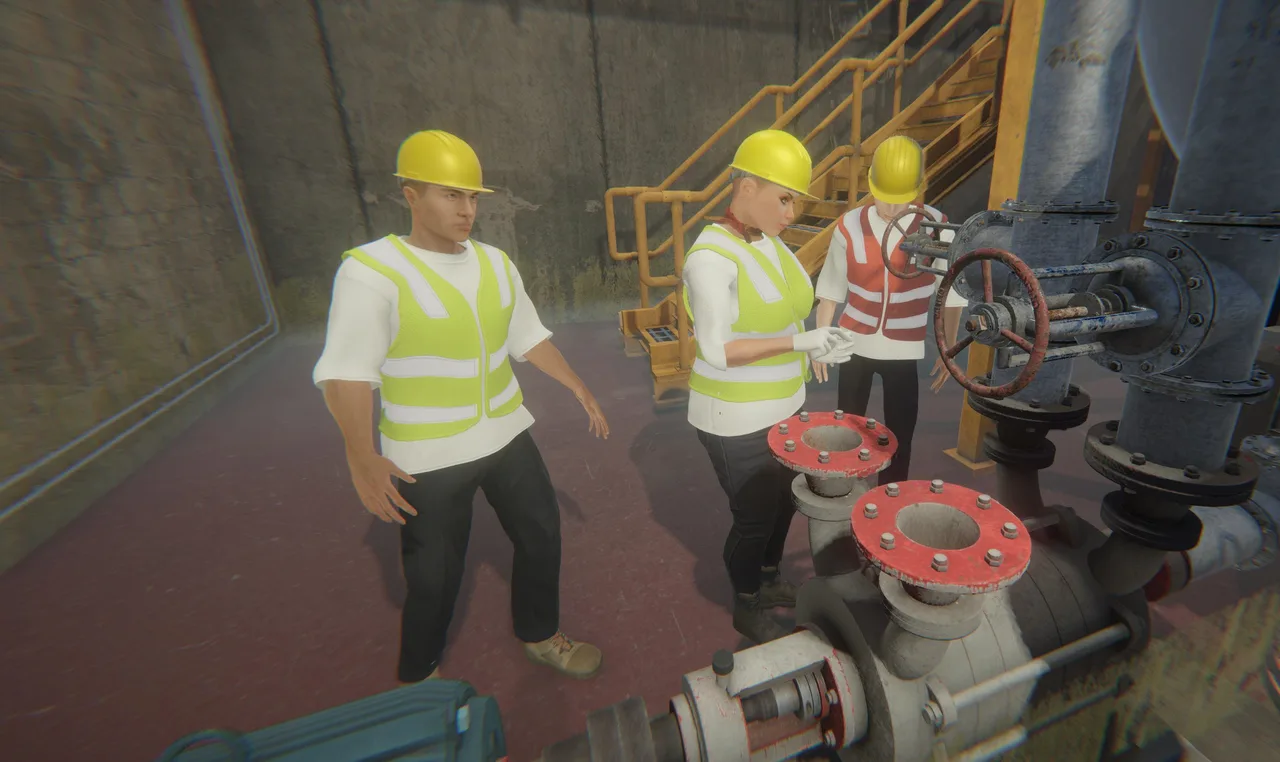
Reduce the cost of practical training
Physical training can be expensive to deliver and expensive to attend.
For customers, this can mean
Travel
Reduced travel and accommodation expenditure
Time
Less time away from the workplace
Reach
Easier access for remote and international teams
Repeat training
Lower costs for refresher and repeat training
Instead of bringing every learner to the training environment, Sinewave Campus brings the training environment to the learner.
For training companies, it creates an opportunity to increase delivery capacity without increasing physical infrastructure at the same rate.
See how learners joinReserve the training centre for what needs it
Sinewave Campus does not simply digitise classroom content. It provides an environment in which people can practise.
Physical training will continue to play an important role in the energy industry. Knowledge development, familiarisation, practice, team exercises, preparation and refresher training can increasingly take place digitally, helping organisations reserve physical training facilities for the activities that genuinely require them.