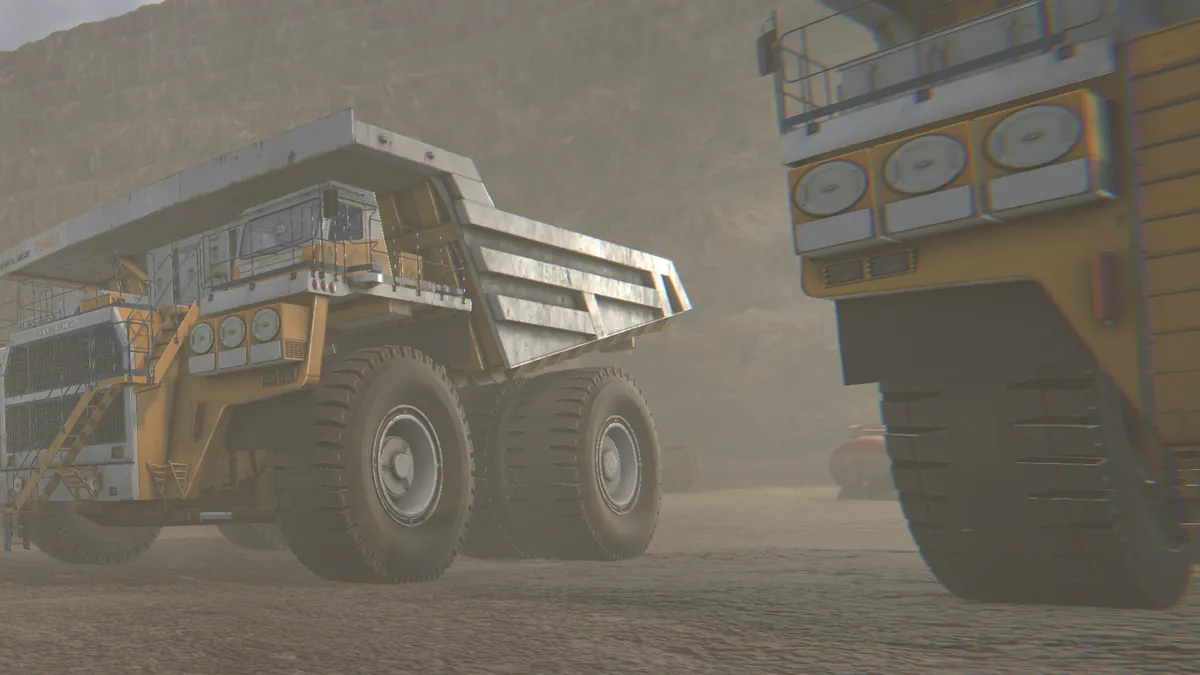
The Jordan River
Where: On the bank of the river
Explores how climate change and pollution affect the region’s viable water supply, and lets students express themselves in a depoliticised way.
Breakroom is now Sinewave Campus. Book a meeting
With the river closed off by conflict, EcoPeace Middle East turned to Sinewave Campus to rebuild a site on the river as a virtual 3D world that its Waterkeepers and the public could enter instead.
 Case study
2quests
3moderators
4historic structures
EcoPeace Middle East brings together Jordanian, Palestinian and Israeli environmentalists, with offices in Amman, Ramallah and Tel Aviv. It promotes cooperative efforts to protect the region’s shared environmental heritage.
The Jordan River flows through Israel, Syria, Jordan and Palestine and holds cultural, religious and geographic significance to billions of people. Yet 96% of its freshwater has been diverted for domestic and agricultural use, and untreated sewage threatens to damage the watershed irreversibly.
To protect the river, EcoPeace founded 3 Jordan River Waterkeeper organisations, in Jordan, Palestine, and Israel.
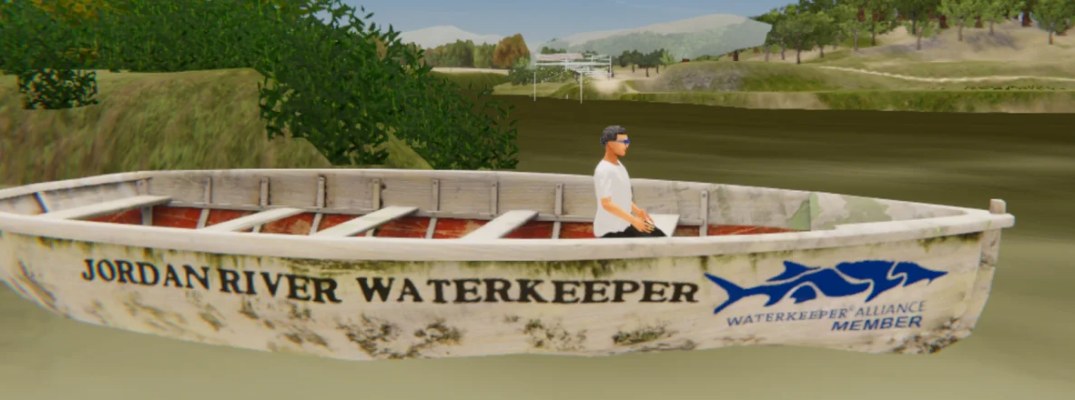
A Waterkeeper needs a boat to patrol the river. With 96% of the river’s waters diverted, there is none left for a boat to manoeuvre.
Mines and military fences leave little access to the river itself, and much of it sits inside a closed military zone.
EcoPeace has run a broad campaign to raise public awareness of the river’s demise, and national and local governments have begun work on a shared vision for it.
EcoPeace, with architects and students from the Yale School of Architecture, Israel’s Bezalel Academy, and Palestinian and Jordanian architects, chose the historic bridges site as the first to develop: the old crossing point of the Jordan River.
| Structure | Period |
|---|---|
| Roman bridge | Roman, about 2,000 years old, and still crossing the water |
| Railway bridge | Ottoman |
| Road bridge | British Mandate |
| Rest-house | Mameluke |
Parts of the build are Sinewave Campus capabilities you can use for your own site.
A built-in catalogue supplies ready-made models. Structures for one site, such as these bridges, are built as development work alongside the catalogue.
See how authoring worksPeople from Palestine, Jordan and Israel visit the site as avatars, where real-world access is restricted.
Compare ways to joinA vehicle can be placed in the scene, so the Waterkeeper groups can manoeuvre their boat along the river.
See how a scenario places vehicles in the scene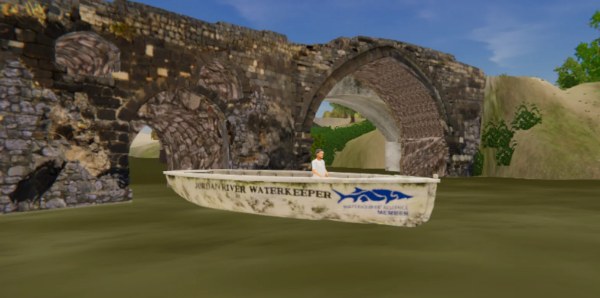
3
countries share one virtual crossing, where the real one is closed
“For the first time, Palestinian, Jordanian and Israeli stakeholders can freely visit, explore and cross borders virtually, in a location beset by conflict and where real-world access is limited.”
EcoPeace combined architecture and landscape design to recreate a site on the Jordan River as a virtual 3D park.
The Jordan River Waterkeeper groups can manoeuvre their virtual boat to learn about the river’s past, its present demise and how rehabilitation and cooperation could give it a better future.
EcoPeace developed the world as an interactive way for students to learn about the water crisis during the COVID-19 pandemic, and to let all 3 sides of the water conflict be heard.
Where: On the bank of the river
Explores how climate change and pollution affect the region’s viable water supply, and lets students express themselves in a depoliticised way.
Where: A Palestinian village, an Israeli water treatment plant, and a Jordanian settlement and water allocation centre
A moderator from each country tours students through their own location.
Say what you would rebuild, and we will explain what the build involves.
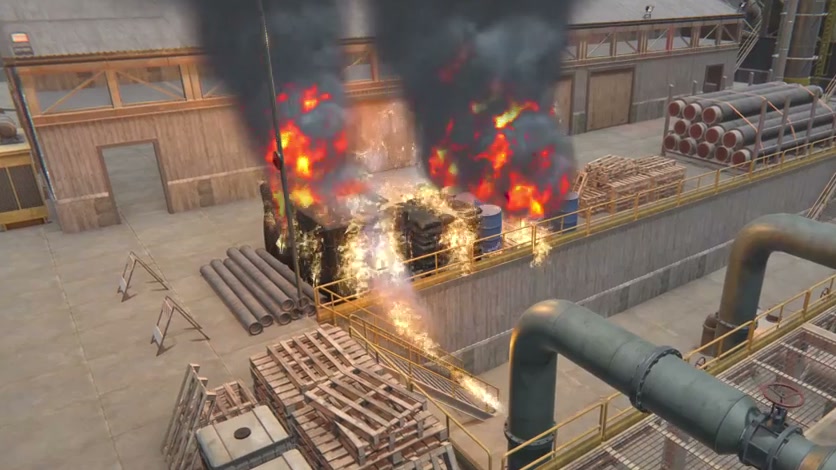
Case study · Energy
An emergency response scenario for the OPITO Global Conference, with 5 roles in a simulated hydrogen plant.
Read the OPITO case study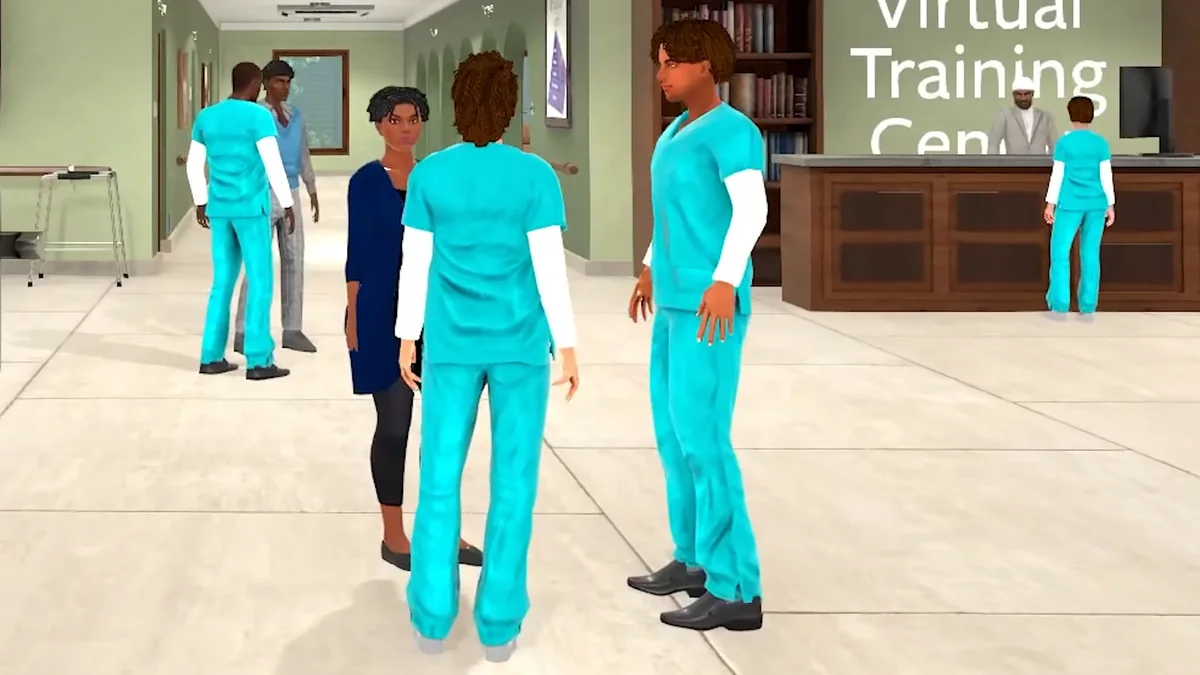
Case study
Engage With moved its live skills training into a virtual training centre.
Read the Engage With case study
Resource library
Documentation, video tutorials and SDK guides, with answers to the questions we get asked.
See all resources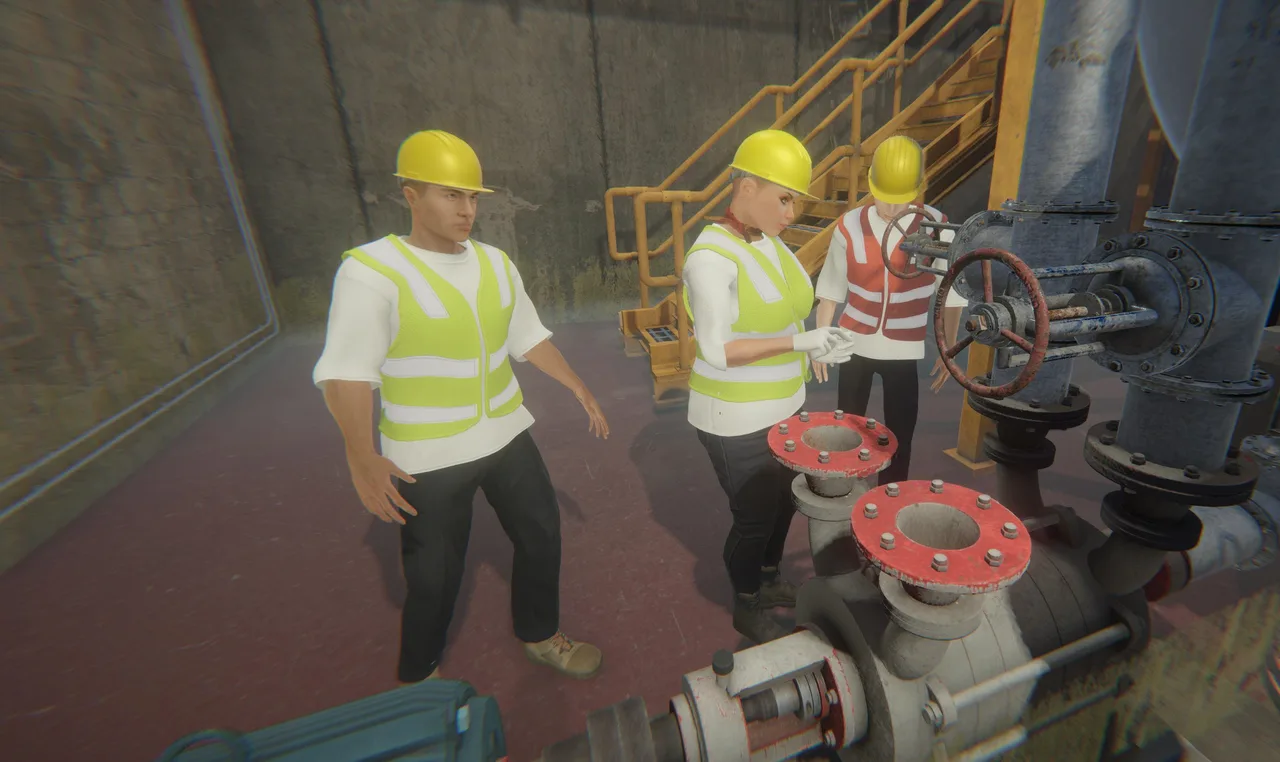
Evaluate
Tell us the scenario you need to rehearse.
Fields marked * are required.